

How are Balsamic Vinegar of Modena PGI and PDO made?
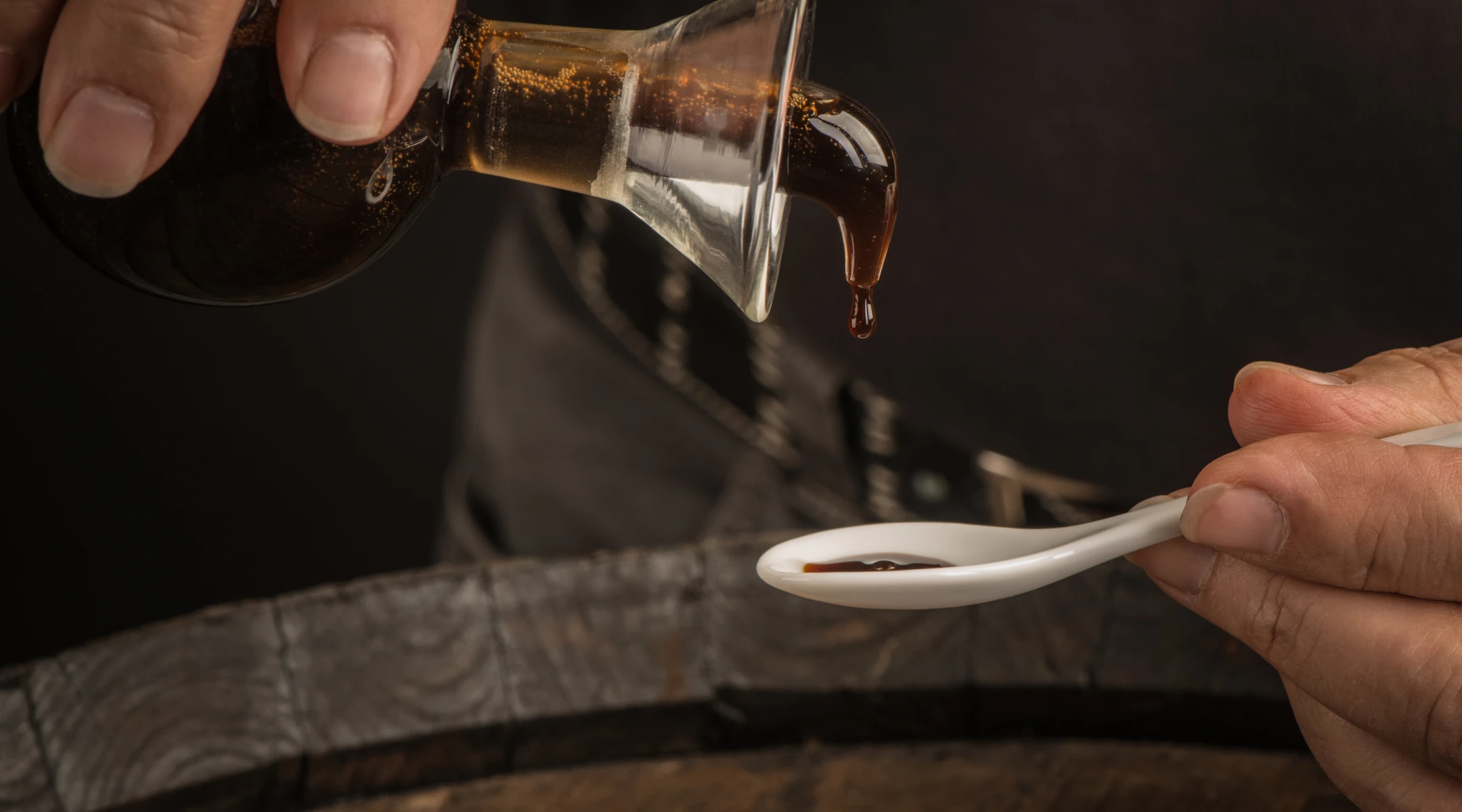
In the Modena region, every family once guarded its own precious recipe for Balsamic vinegar, passing it down from generation to generation. According to tradition, a new set of barrels was started at the birth of a daughter, to become part of her wedding dowry, a symbol of continuity, care, and heritage.
Despite the many familiar variations, the production of Traditional Balsamic Vinegar of Modena follows three fundamental steps shared by all producers:

must
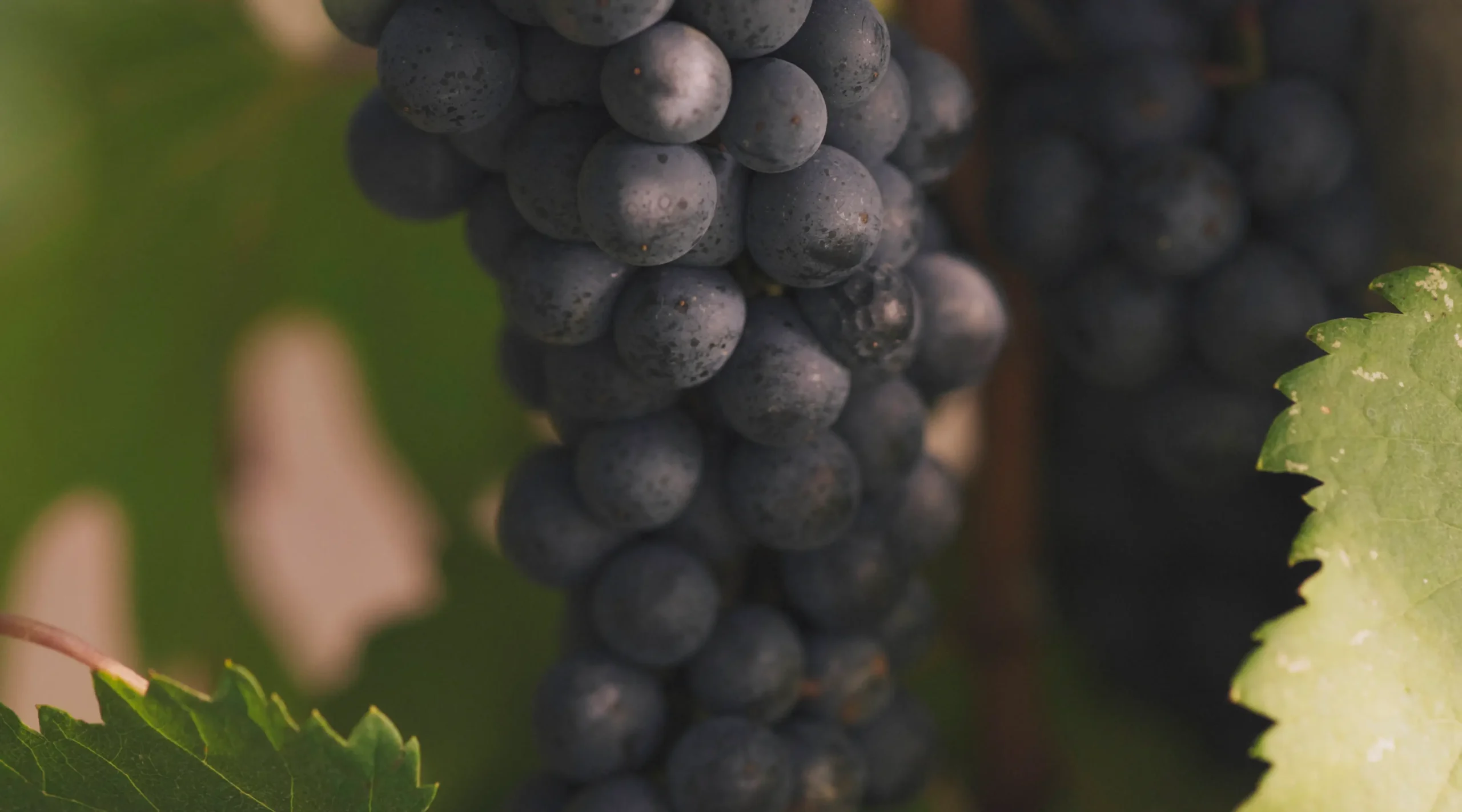
Grapes are pressed to obtain the must.

reduction
The must is concentrated through cooking or other reduction processes.

ageing
The reduced must is moved to small wooden barrels where fermentation begins.
Over time, to meet increasing global demand, producers added a portion of wine vinegar to the original recipe: this evolution led to the creation of Balsamic Vinegar of Modena PGI.
Traditional Balsamic Vinegar of Modena PDO
Protected Designation of Origin
with
cooked must
ageing
minimum 12 years
Balsamic Vinegar of Modena PGI
Protected Geographical Indication
with
cooked must + wine vinegar + wine vinegar aged at least 10 years
ageing
minimum 60 days
PDO certification
The PDO certification guaranteed by the European Union protects Traditional Balsamic Vinegar of Modena from imitations. Only products obtained according to the specifications, within the area of origin and with traditional methods, bear the PDO mark.

HARVEST
Harvest of the 7 types of Modena grapes: Lambrusco, Trebbiano, Sauvignon, Ancellotta, Occhio di Gatta, Berzemino and Sgavetta.

PRESSING
The grapes are pressed to break the berries grapes, release the juice and obtain the must.

COOKING
The must cooks slowly: the water evaporates, the sugars caramelize and the aromas concentrate.

AGEING
The must is transferred to wooden barrels and left to age for a minimum of 12 years in the vinegar cellars which ensure slow fermentation during the winter and faster fermentation in the summer.
Each year, part of the liquid is moved into progressively smaller barrels, often made from different woods.

CONSORTIUM CONTROL
The product is validated by the organoleptic examination of a commission of expert IBT – Italian Balsamic tasters to certify its characteristics in compliance with the PDO regulation.

BOTTLING AND CONSORTIUM CERTIFICATION
After approval from the Consortium, bottling proceeds in the exclusive bottle signed by designer Giorgetto Giugiaro.
PGI certification
The protection of protected geographical indications (PGIs) by the European Union combats fake products that try to imitate the original production of the Modena region. Only products marked with the PGI logo are original and can be called “Balsamic Vinegar of Modena”.
What distinguishes Balsamic Vinegar of Modena PGI?
In addition to the quantity and quality of the ingredients chosen, the refinement or aging in barrels contributes to making the profile of the vinegar closer to that of Traditional Balsamic Vinegar of Modena.
HARVEST
Harvest of the 7 types of Modena grapes: Lambrusco, Sangiovese, Trebbiano, Albana, Ancellotta, Fortana and Montuni.
PRESSING
The grapes are pressed to break the berries grapes, release the juice and obtain the must.

COOKING OF THE MUST and PRODUCTION OF WINE VINEGAR

BLENDING
Wine vinegar and a percentage of wine vinegar aged at least 10 years are added to the grape must.

REFINEMENT / AGEING
The blend is transferred into barrels and left to refine for a minimum of 60 days. To be declared aged, the product must remain in the barrel for a minimum of 3 years.